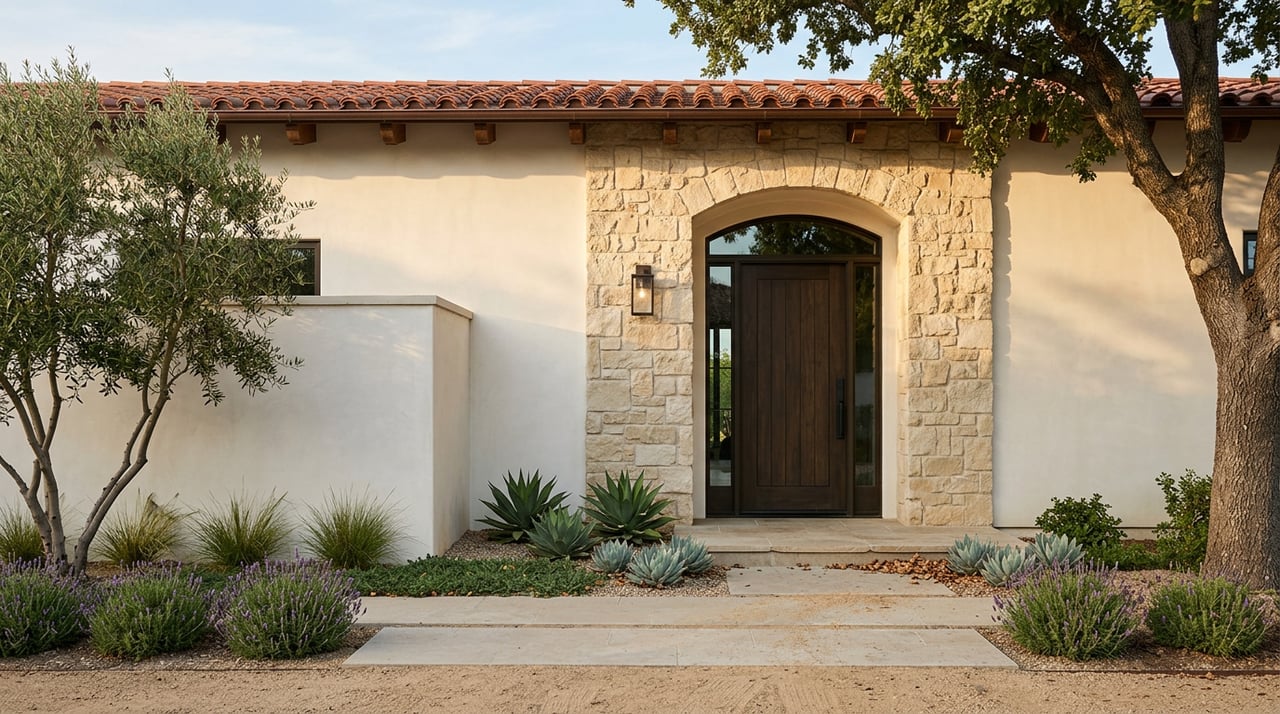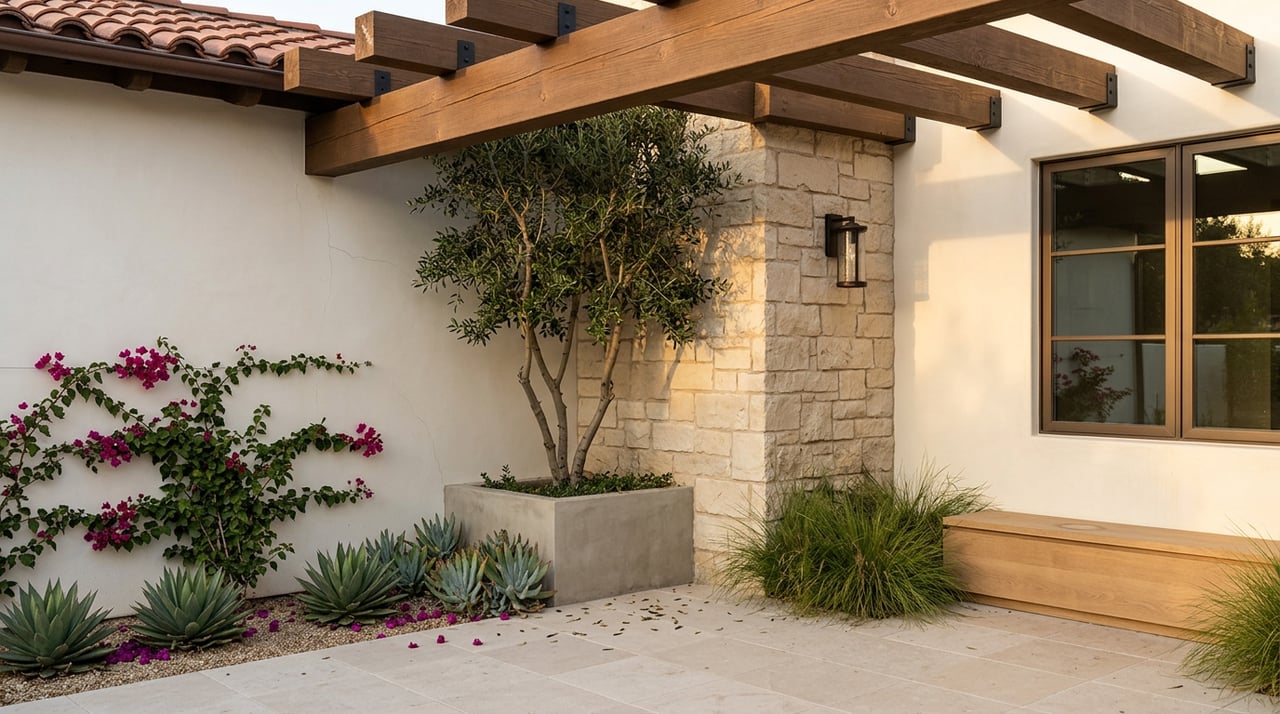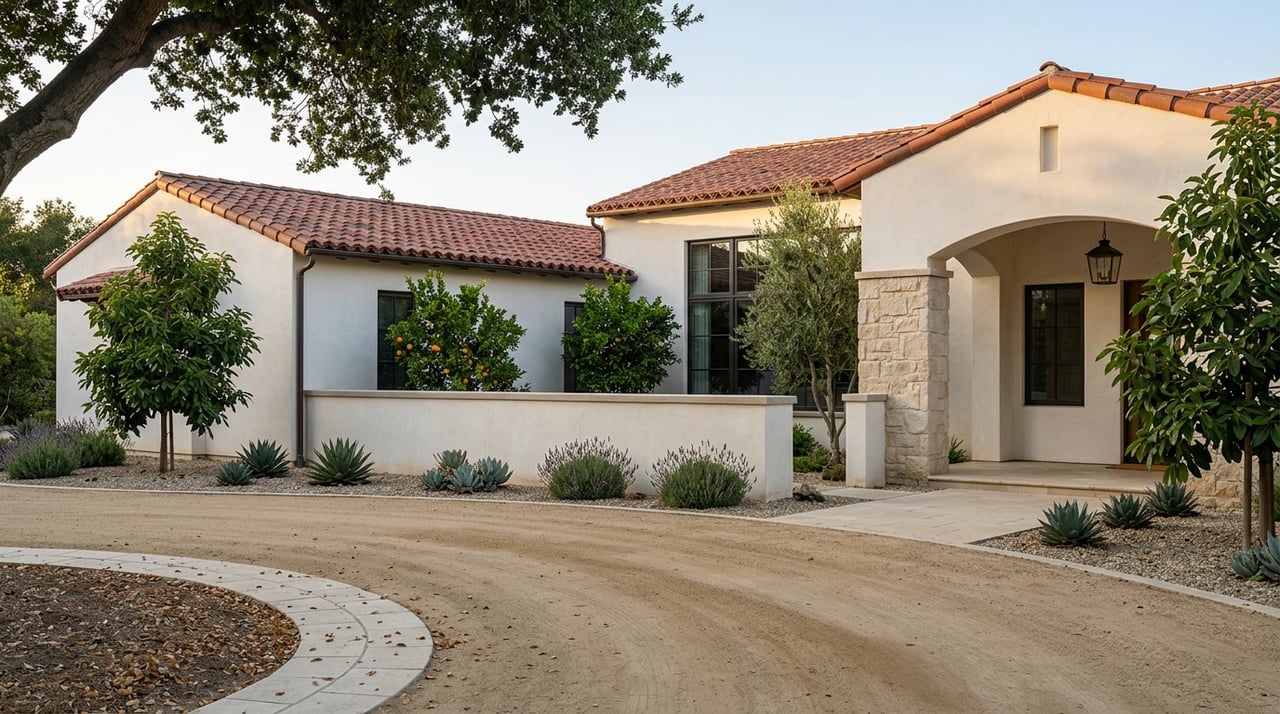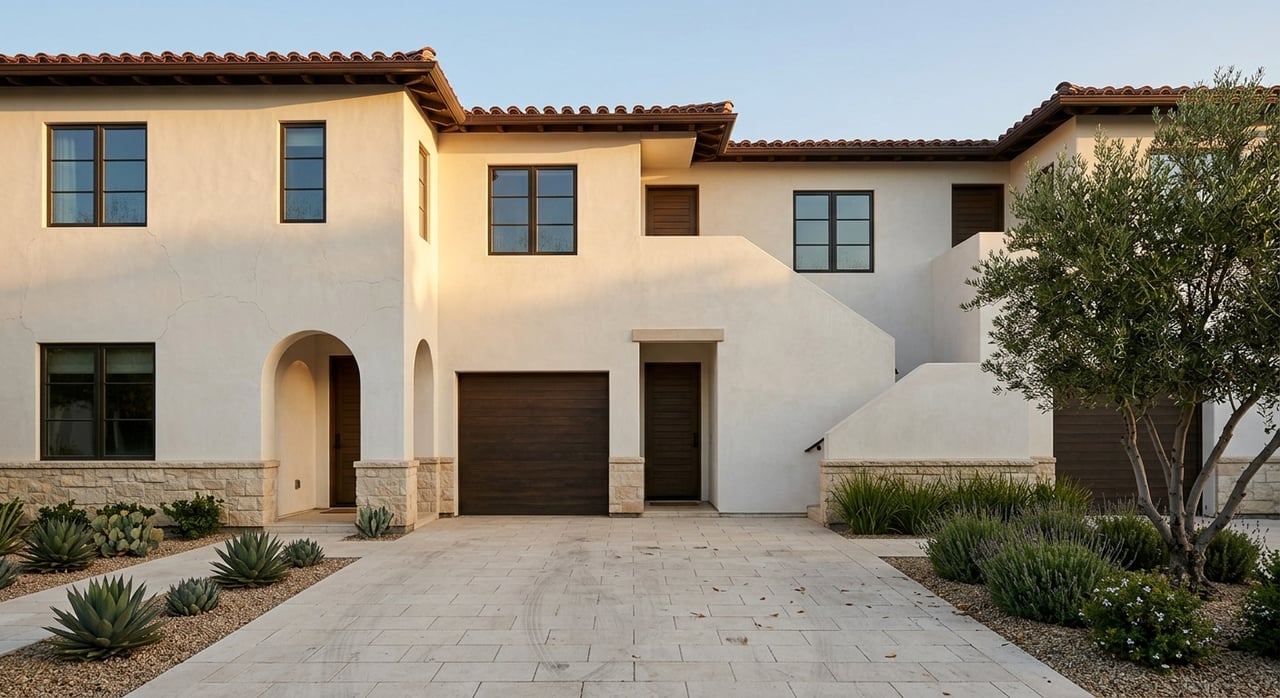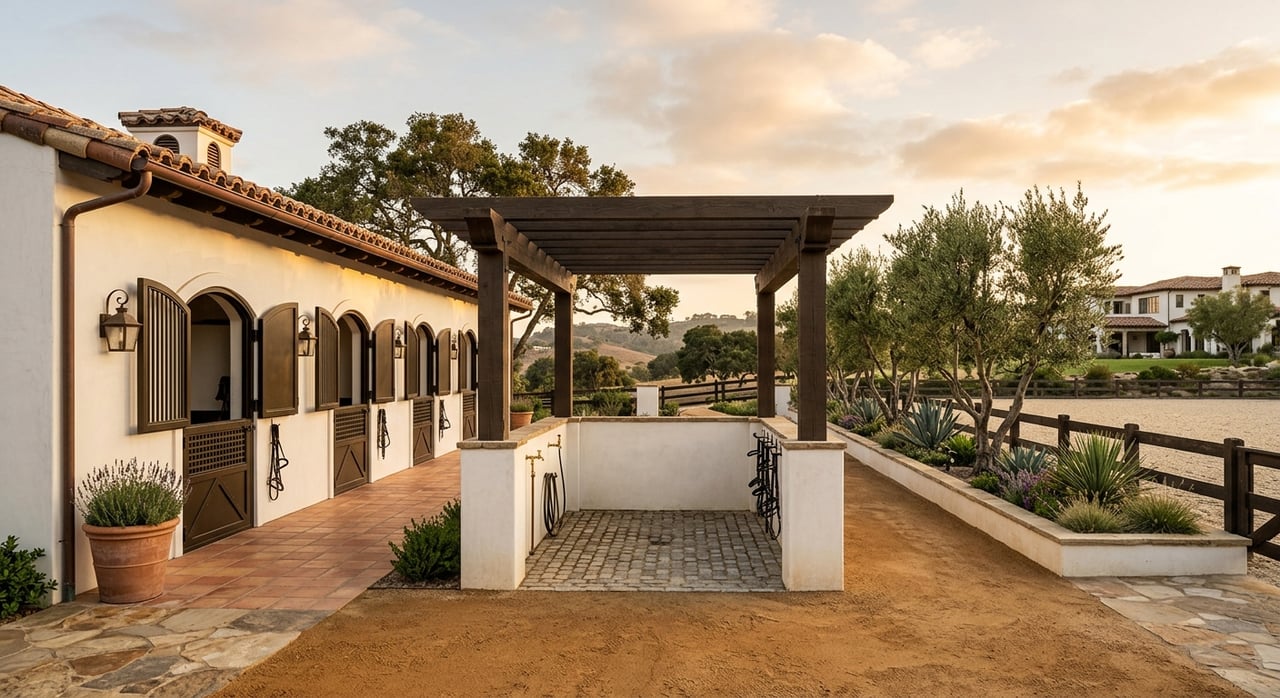
If you want space for horses, room to spread out, and a home that still feels connected to San Diego County, Poway deserves a close look. Buying an equestrian or estate property here can be exciting, but it also comes with details that matter, from zoning and trail access to fire-zone due diligence. In this guide, you’ll get a practical look at what makes Poway appealing, what to verify before you buy, and how to evaluate properties with confidence. Let’s dive in.
Why Poway draws equestrian buyers
Poway has a rare mix that is getting harder to find in San Diego County. The city describes itself as the City in the Country, with more than half of its 39.4 square miles dedicated to open space and a trail network spanning more than 78 miles. That combination supports the rural feel many buyers want when they start searching for horse property or a larger estate home.
At the same time, Poway is not cut off from the rest of the region. The city notes its central San Diego County location, and its transit information shows MTS routes 944, 945, and 945A connecting Poway with Rapid service along Interstate 15. For many buyers, that balance of elbow room and access is a big part of the appeal.
What counts as horse property in Poway
Not every large lot is automatically horse-ready. In Poway, the first step is understanding the parcel’s zoning and any specific-plan rules that may apply. The city directs buyers to PowGIS, its official online parcel map tool, to verify zoning, setbacks, lot coverage, and related parcel details.
Poway’s housing framework is one reason the city stands out. The city’s housing element identifies RR-A, RR-B, and RR-C as very-low-density rural residential zones, ranging from 0.25 to 1 unit per acre, with minimum net lot sizes from 1 to 40 acres, while RS-1 is the 1-acre single-family zone. In simple terms, Poway still offers true large-lot zoning, not just standard suburban homes on oversized parcels.
The city’s large animals regulations handout says horses and other large animals are allowed in residential rural and residential single-family zones with a minimum lot size of 10,000 square feet. Allowable horse counts increase with parcel size, and the rules are generally more flexible in RR-A and RR-B zones. The same handout also notes that enclosures cannot sit in required front or side-street setback areas, and barns or stables must meet city building-code standards.
Trail access is a major lifestyle feature
For many buyers, trail access is just as important as the house itself. Poway’s trail system is a major draw, and the city states that horses have priority on trails, followed by hikers and then bikers. Trails are open sunrise to sunset, and some segments pass through residential areas, which helps shape the local culture around privacy, courtesy, and shared use.
That said, trail access in Poway is not one-size-fits-all. Some open-space areas have restrictions that matter if horseback use is a top priority. For example, the Blue Sky Ecological Reserve does not allow horses on Oak Grove or Creekside Trail, while a Lake Poway watershed document says trails such as Sumac, Lake Poway, Mount Woodson, Warren Canyon, and Fry-Koegle are open to hiking, biking, and horseback riding, and that Lake Poway includes a horse staging area.
This is why parcel-level verification matters. A home may be marketed as being near trails, but that does not automatically mean the nearest trail segment allows horses. If trail riding is central to your search, it is worth confirming the exact segment and access point before you move forward.
Espola Road and access considerations
If you are comparing areas within Poway, transportation and route design can play a practical role in daily horse use. One helpful example is the city’s Espola Road Safety Improvements project, which was designed to improve safety for people walking, jogging, cycling, or riding horses along the west side of Espola Road between Poway High School and Twin Peaks Road.
Projects like this can matter when you are evaluating how easy it is to move between a property and nearby riding routes. They do not replace a parcel-specific review, but they can help you understand how certain areas function for everyday equestrian use.
Price ranges for Poway estate homes
Poway remains a premium housing market. According to Redfin’s Poway housing market data, the median sale price was $1,284,500 in February 2026, homes were selling in about 20 days, and buyers were seeing about two offers on average. Redfin’s luxury market page also shows 74 luxury homes for sale with a median listing price of $1.35 million.
For equestrian and estate buyers, recent listings suggest a practical price framework:
- Entry horse-capable or compact estate properties: about $800,000 to $1.6 million
- Mid-tier estate or horse-ready homes: about $1.8 million to $3.0 million
- Premium and ultra-luxury estates: about $3.875 million and up
These ranges reflect a mix of land, improvements, and home quality. In this segment, value often comes from more than square footage alone. Usable acreage, fencing, stables, riding rings, guest structures, privacy, and major site improvements can all shape pricing in a meaningful way.
Features buyers commonly want
Recent Poway listings show a consistent set of features that buyers often prioritize in this part of the market. Depending on the property, you may see:
- Single-story ranch or custom home layouts
- Usable lots from about 0.5 to 2+ acres and beyond
- Gated entries or private-road settings
- Fenced or cross-fenced land
- Barns, stables, corrals, and tack sheds
- Riding rings or training areas
- RV parking and storage space
- Guest houses or ADUs
- Pools, spas, and view-oriented outdoor living
- Solar and other utility upgrades
As you compare properties, it helps to separate existing improvements from future potential. A parcel may look ideal on paper, but if key equestrian features still need to be added, the permitting path, site conditions, and cost should be part of your decision.
Fire zones should shape your due diligence
One of the most important realities for estate buyers in Poway is wildfire exposure. The city states that more than 90% of Poway’s geography is designated as a Fire Hazard Severity Zone. It also notes that if a parcel overlaps multiple classifications, the city applies the most restrictive fire classification.
That makes fire-related diligence essential. Before you buy, you will want to understand the parcel’s fire-zone status, current defensible-space expectations, and the condition of the home’s materials and surroundings. For larger properties, this review can be just as important as checking the floor plan or lot size.
Permits and site work matter more on large lots
Estate and horse properties often involve grading, retaining walls, pools, patios, barns, or other improvements. Poway says a grading permit is required for excavations of 2 feet or more, moving 50 cubic yards or more, changing drainage patterns, or working in open-space or easement areas. The city also notes that retaining walls, pools, and patio covers require building permits.
This matters whether you are buying a finished property or one with room to improve. If your plan includes adding an arena, expanding a turnout area, improving drainage, or building accessory structures, it is smart to confirm the permit path early.
If you want boarding or training, verify first
Some buyers are looking for more than private horse use. If you are considering boarding, training, or another home-based operation, Poway’s rules make early planning especially important. The city’s Planning and Zoning page says some uses require a Conditional Use Permit, and the city’s compliance guidance notes that home-based businesses must remain secondary to the residence and may require a Home Occupation Permit.
In other words, do not assume that a horse-ready parcel can automatically support a business use. If that possibility is part of your goals, checking with Planning before closing is one of the safest steps you can take.
Waste management is part of ownership
Horse property ownership also comes with practical maintenance requirements. Poway’s large-animal guidance says manure and other waste must be regularly disposed of or treated so it does not accumulate or create a nuisance. The city also states that manure in uncovered areas that could reach runoff must be cleaned up at least once weekly and stored away from drainage channels and water sources.
For buyers, this is not just a small operational note. It is part of evaluating whether a property’s layout, drainage, and existing equestrian setup will be easy to maintain over time.
A smart due diligence checklist
When you are serious about a Poway equestrian or estate property, a disciplined review can save time and money. Here is a practical checklist to keep in mind:
- Verify zoning in PowGIS and confirm any specific-plan overlay.
- Confirm horse allowances for the parcel size and zone.
- Review setback rules for barns, enclosures, and future improvements.
- Check fire-zone status and whether overlapping classifications trigger the stricter standard.
- Confirm trail access by segment, not just by neighborhood marketing language.
- Review permit needs for grading, retaining walls, pools, patio covers, or additional structures.
- Ask about business-use limitations if boarding, training, or similar activity is a future goal.
- Assess drainage and manure-management practicality for day-to-day ownership.
Why local guidance matters in Poway
Poway offers a compelling mix of rural-scale zoning, horse-friendly regulations, and a strong public trail system. But the details that make one property a great fit can be very different from the next. Trail use, fire-zone status, lot usability, and permit considerations all need to be checked parcel by parcel.
That is where local, property-level guidance becomes valuable. When you are evaluating estate homes or equestrian opportunities in Poway, you want more than a quick online search. You want a clear picture of how a property functions in real life, how it aligns with your goals, and what questions to answer before you commit.
If you are considering a move in Poway, Conway & Associates can help you evaluate estate and equestrian properties with a thoughtful, data-driven approach and local market perspective.
FAQs
What makes Poway appealing for equestrian home buyers?
- Poway offers large-lot rural zoning, more than half of the city in open space, and a trail network of more than 78 miles, creating a strong lifestyle fit for buyers who want room for horses and estate-style living.
How can you verify zoning for a Poway horse property?
- You can use the city’s official PowGIS parcel lookup tool to confirm zoning, setbacks, lot coverage, and whether any specific-plan overlay affects the property.
Are horses allowed on all trails in Poway?
- No. While horses have priority on many city trails, some areas such as parts of Blue Sky Ecological Reserve restrict horse access, so you should confirm the exact trail segment before buying.
What fire-zone issue should buyers know about in Poway?
- Poway states that over 90% of the city is in a Fire Hazard Severity Zone, and if a parcel overlaps multiple classifications, the most restrictive fire classification applies.
Can you run a boarding or training business from a Poway horse property?
- Possibly, but you should verify it first with the city because some uses may require a Conditional Use Permit, and home-based business rules may also apply.
What permits might be needed for improvements on a Poway estate property?
- Depending on the project, permits may be required for grading, retaining walls, pools, patio covers, and other site work, especially on larger lots with drainage or easement considerations.